Remote viewings
Virtual Property Viewings in Dubai: A Practical Guide
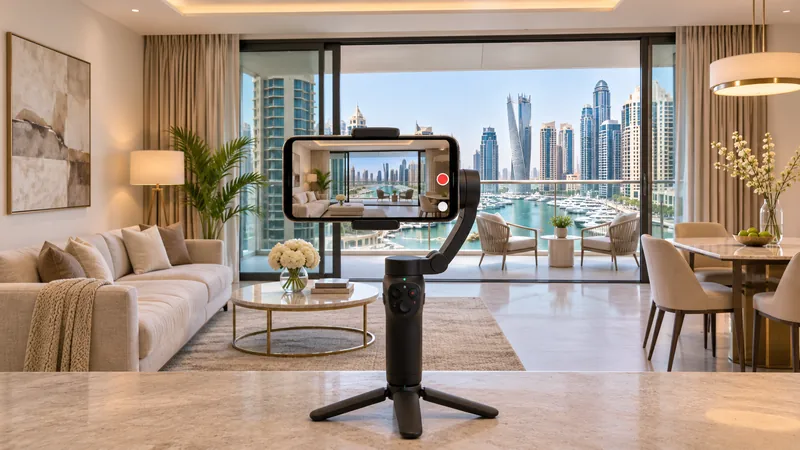
Virtual property viewings in Dubai work when an overseas buyer can identify the exact property, see the layout and condition in a logical sequence, ask live questions and receive written evidence afterwards. A useful remote viewing begins with an agreed agenda and a verified floor plan. The host walks a slow route through the property and explains what the camera can and cannot confirm. The follow-up records anything that needs a document, a specialist check or an in-person inspection.
Think of the tour as one evidence-gathering step in a buying process. A bright edited video can help a buyer shortlist a unit. A live tour can show the connections between rooms or let a buyer ask to see the entrance again. A registration or owner check belongs to a different process, and recorded project information comes from its own source. This guide helps hosts and buyers choose the right viewing format and turn a remote session into a clear next decision.
Choose between a live tour, a recording and an in-person visit
Start with what the buyer needs to know now. A recording is easy to share with a spouse or adviser and can establish whether the layout is worth exploring. It offers a consistent introduction even when three time zones are involved. It is less useful for questions that arise during viewing or for establishing whether an issue is current. Include the date, whether it shows the advertised property and whether access or conditions have changed since recording.
A live session is useful when the buyer needs to ask about overlooked details or compare room connections. It should establish the route from entrance to living areas, confirm which spaces are private and which are shared, and let the host show specific features on request. A live call can also reveal limitations such as poor lighting or an occupied area that was never part of the edited video. Set realistic expectations about connection quality, privacy and which rooms or common areas can be shown.
An independent in-person visit or inspection serves a different function. A remote viewer cannot reliably verify moisture, mechanical performance, smell, the condition of every surface, or the exact scale of a room from a video. A person can request an inspector or other appropriate representative when those details matter. Use a remote viewing to identify what needs a deeper check and decide whether the property deserves the time and cost of one.
| Format | Useful for | Main limitation |
|---|---|---|
| Edited recording | Shortlisting and sharing a consistent first look | Framing, edits and date affect what it shows |
| Live video call | Asking questions and observing current visible conditions | Camera, connectivity and permission restrict evidence |
| Floor plan and documents | Reviewing dimensions, layout labels and recorded facts | They do not show current visible condition |
| Independent visit or inspection | Checking details important to a decision | Requires coordination, access and an appropriate reviewer |
Collect a viewing pack before the call
A short preparation pack should identify the community, property type, building or project and relevant reference. Explain whether the unit is completed, occupied, vacant or under development, and which words require confirmation from the owner or developer. Provide the dated listing summary, approved unit plan and any accessible images that actually show the unit. Include a concise note naming where observations or commercial terms have to be checked separately.
Give the plan a version and label the entrance clearly. A buyer on a phone should be able to see which room the host is entering. Use the same room names when referring to the plan and the live feed. If the floor plan is mirrored relative to the viewing route, correct the presentation or explain the reason before introducing dimensions. Keep a copy of the approved plan and what was actually shared in the viewing record.
A practical viewing confirmation includes the date in Dubai time and in the buyer’s local time, the expected duration and a contact route if the connection drops. Ask the buyer to name their three most important questions and communicate any language or accessibility needs. A buyer who wants to pause for interpretation needs a shorter list of stops than a buyer who knows the building. Our multilingual listing workflow covers how to maintain consistent facts and contact steps across languages.
The buyer may also want to ask about recurring costs, occupancy, seller authority or project progress. Keep those questions in the preparation pack even where video cannot resolve them. For example, DLD provides a Service Charge Index enquiry, and an appropriate person should confirm which inputs and period apply. Where the buyer wants information about a developer project, check the Project Status Enquiry separately. Make a plan for providing verifiable evidence afterwards without exposing private documents to everyone invited to the call.
What buyers can send before the viewing
- Purpose of purchase and which spaces matter for that purpose.
- Any questions about the plan, storage, orientation, view or move-in timing.
- Whether they want someone else to attend and who should receive the follow-up.
- The document questions to settle before arranging an inspection or proceeding.
Prepare the route, the camera and a fallback
Plan a short path that resembles how a visitor would enter and use the property. Begin with an approved public or shared point and identify the property. Walk from the entrance to the main living space, then to the rooms, service areas or balcony relevant to the buyer. Where walking continuously is impractical, explain clearly when you cut from one location to another. If the connection drops between shared areas and the unit, name the location when you return.
Camera settings can change the impression of a space. Use a standard field of view if possible, hold the phone level, move slowly and avoid rapid turns. A wider angle can be useful in a small room if you disclose that it affects perspective. Give the viewer reference points, like a normal door and a steady view from the far corner. Keep a separate record of measured or plan-based facts. The camera image should not be used as a precise substitute for approved measurements.
Check permission before filming. An occupied home may have limitations on showing belongings or personal details. Common areas may have their own rules. Agree who may record and where any footage may be shared. Do not show access controls, keys, private notices, packages or identifying information about people who have not agreed to be shown. Share materials through an approved channel and establish follow-up recipients before sending links.
Test the device, sound, light and connection in the areas you intend to film. Give a room or view enough time for the camera to adapt to the light. If the balcony is bright and the room looks dark on video, demonstrate both directions slowly and describe what you can actually see. Keep a dated backup pack with relevant still images or a short clip when filming is allowed. If the connection fails, agree to resume at a designated stop or reschedule the affected portion. Confirm later what was seen live and what was provided as backup.
Run a tour with a clear agenda and time for questions
Begin by confirming who is on the call, what property the host is showing and the viewing date. Ask if recording has been agreed and clarify whether the group expects to receive anything afterwards. Start with the buyer’s priorities. If a feature like step-free access is essential, address it early so the buyer can tell whether it is worth watching the rest. Use the preparation pack to mark questions for observation and questions that require a separate source.
An example thirty-minute itinerary could use the first five minutes for introductions, property identity and the plan. Spend ten minutes following the route through the main rooms and five minutes on the buyer’s primary concern. Save time for questions and next steps. If the buyer needs language support, narrow the itinerary, speak in shorter units and leave room for interpretation. The aim is enough time to examine the important issue, rather than covering each room at identical speed.
Pause when a question could be resolved from another angle. A relocating buyer may want to see the relationship between the living room and a bedroom or how someone reaches the lift from an entrance. A remote buyer evaluating a tenanted unit may need confirmation of whether a note concerns current occupancy or future availability. Answer visible questions from what you can see. Say how you will verify uncertain or time-sensitive points, and write them down rather than giving a guess that later turns into a quoted commitment.
If noise or light matters, identify the viewing conditions. A moment of quiet at one time of day does not establish the noise level at other times. State which windows are open, which direction the camera faces and whether room lighting is natural or artificial. Try to let the buyer hear a brief unedited sample if practical. Suggest an independent check when the issue is consequential. Treat what you see and hear as a dated observation and keep it separate from longer-term claims.
Sample question to reveal the actual concern
A buyer asks whether a balcony is suitable for working. Ask what they need to do there. Someone needs a quiet place for short calls, another wants shade for several hours, and another needs an outlet. A camera can show position and visible fixtures. It cannot establish dependable shade throughout the year or privacy at other times without additional evidence. Record which parts were observed, and identify what to measure or verify later.
Adapt the viewing for off-plan and occupied properties
An off-plan session may rely on the project setting, current authorized progress material, a specific floor plan, a show apartment or a model. Open with a clear distinction between each type of evidence. A show apartment can explain typical circulation, finish or a design concept if you say which portions are representative. Align each feature with the written documentation for the actual unit type. If a render uses optional equipment, furnishings or a line of sight that depends on location, label it where viewers see it.
Ask the developer’s responsible team for the most recent dated project material and terms applicable to the unit. A DLD project lookup supports checking the recorded project and its status. It does not settle whether a depicted finish applies to a particular purchase, whether a floor plan is current or what date can be commercially relied upon. For each of those questions, request a named document version, source and next confirmation time. When public promotion is planned, follow the permit and QR review workflow for the assets being published.
With a tenanted or otherwise occupied property, coordinate authorized access and define what may be shown. A buyer may want occupancy details separate from the viewing images. Keep information about occupants out of the general pack. If permission is limited to selected rooms or a previous photo set, tell the buyer beforehand. Explain any important difference between current images and old marketing material. If the property is unavailable to tour, a replacement unit must be labeled clearly and facts about the originally discussed unit must stay separate.
Be careful with completion language in follow-up. Mark observations of the date of the tour. Separate what the host expects, what was stated by an authorized source, and what requires verification. Buyers often share a screenshot without the surrounding narration. Put critical qualifications close to the image or claim. A caption that labels an off-plan illustration will travel with the image more readily than a disclaimer buried at the end of a document.
Distinguish what the buyer can see, verify and still needs to ask
Use a three-part evidence record. The first column is what was seen in the session, such as a walkway from the entrance to the balcony. The second is what was verified through a dated plan, project lookup or property record. The last is what someone needs to ask or confirm. This keeps a helpful visual tour from being interpreted as comprehensive due diligence. Some items can stay unconfirmed if the buyer has enough information to shortlist. Others must be settled before proceeding.
| Question | Evidence to seek | Follow-up owner |
|---|---|---|
| Which layout was shown? | Dated plan and unit reference | Property adviser |
| Is the project recorded? | DLD project lookup using the project reference | Authorized adviser or buyer |
| What is the current visible condition? | Live dated observation and inspection where necessary | Buyer and suitable inspector |
| Can the seller or broker proceed? | Relevant status and authorization checks | Buyer’s qualified adviser or responsible firm |
| What is the current offer? | Approved written terms and availability | Authorized property team |
DLD provides Property Status Enquiry and Verify Title Deed services for applicable checks. Use the relevant property inputs and interpret the result within its scope. Do not circulate sensitive identifiers merely to make an email feel complete. The buyer can ask who can assist with a legitimate verification step. Where professional, legal or technical judgment is needed, use an appropriately qualified adviser with agreed instructions.
Send a follow-up that a second decision-maker can use
Start the follow-up with the property reference and date. Include a concise record of the buyer’s top questions and what the team confirmed. Link to the plan and any agreed media with clear dates and labels. Flag which question remains open, who will answer it and when. Keep the next action simple, such as arranging a second call, requesting a current document, scheduling an inspection or viewing alternatives that match the buyer’s priorities.
A useful follow-up can be read by someone who was never on the call. Imagine a buyer shares it with a person who will help decide. The recipient should be able to identify the property, see which images are real or representative, understand what the call established and know which terms are awaiting confirmation. Keep the follow-up concise and use a clear table if several questions need different people. Avoid including unrelated offers or sending a recording without agreement to the wider group.
Ask the buyer to confirm what they understood before assuming there is a commitment. A person may want to receive an updated payment schedule, see a separate room, or discuss timings before deciding on any transaction step. Give them a way to correct the property or preferences recorded. If you need a partner to carry the conversation forward, the agent partnership guide explains how to assign a contact and keep the handoff visible.
Example of a practical viewing note
A hypothetical viewer shortlists a completed apartment after seeing the circulation from the entrance to the living room and the usable balcony area. They still want to confirm the measurement basis and current charges. The adviser sends the dated plan and an annotated summary of where the camera stood, then identifies the responsible source for charges. The buyer agrees to review those items before scheduling a visit. The note records what was established, what remains open and who owns the next step. No detail that required verification is presented as a promise.
Work through a completed apartment example
Consider a hypothetical two-bedroom apartment for a buyer relocating to Dubai. The listing describes an open living area, an adjoining balcony and covered parking. The buyer’s main concerns are whether the second bedroom can serve as a work space, what a visitor encounters when reaching the building, and how much privacy the balcony affords. The host has an approved plan, permission to film a vacant unit and a backup clip of part of the shared route. The shared route footage was collected earlier, and the building team has asked the host not to show the access system.
Before the call, send the floor plan and mark the three relevant questions. Identify the balcony and bedroom on the plan and explain where the call will start. Ask how the buyer usually works, whether they need room for a particular desk or equipment and whether a daytime view matters. The host can choose where to stand, which wall to show and which details need another check. The buyer can ask a second person to join if they also need to see those areas.
Start with the approved point in the building. Explain where the camera is relative to the unit and say if the route will be interrupted. At the entrance, show the hallway before turning, then move through the living area to the balcony. Hold the camera level. The buyer can see the layout first and ask about privacy or an overlooked neighboring angle afterwards. Describe how conditions looked that day. Avoid drawing broader conclusions from a short view in one direction.
For the second bedroom, point to the matching space on the plan. Show door swing, window position and ordinary outlets if appropriate. If the buyer asks whether a sizeable desk will fit, point them to the approved measurements and schedule an actual measurement if the decision depends on the exact fit. Measure a suitable portion when possible and record the measuring method. An unverified figure spoken while filming a room can be misunderstood if it later circulates on its own.
When the buyer asks about parking, state which visible space or area the host is allowed to show and which documents would confirm any assigned space. The host can explain part of the shared route and share the dated approved clip, with the understanding that it records an earlier time. Record the parking question separately from the visible tour. One useful response is an agreed date by which the responsible person can confirm the assignment from suitable records.
Turn the tour into a decision record
Afterwards, the host sends three short entries. The plan and doorway shown in the session answer the question about access to the second bedroom, while the exact desk fit is still awaiting measurement. The balcony outlook was observed on the day, with privacy at other times left open. Parking assignment needs documentary confirmation from the responsible team. The record includes the relevant date and named follow-up point. It avoids making assumptions about the duration of any particular condition or the scope of the property rights.
If the buyer needs a second call, do not repeat the entire walkthrough automatically. Use the first viewing record to cover the unresolved parts and state what has changed since the earlier call. Bring a colleague or interpreter only if they can help resolve a question. This can be more effective than sending another generic video because it begins from a known fact or remaining concern. Ask the buyer whether their priorities have shifted before scheduling an in-person check.
Decide what to do when access changes at short notice
If the owner withdraws permission or access becomes unavailable, notify viewers in the agreed contact channel. Explain which areas cannot be shown and offer a specific alternative, such as a rescheduled live appointment, selected approved stills or a separately identified comparable unit. Mark what is live, current, historical and representative. Keep the buyer’s original questions so an alternative viewing can be evaluated in the same way.
If only one part of the itinerary is affected, such as a shared amenity, proceed with the portions you can show if the buyer still finds them useful. Confirm whether the missing element affects the decision. Provide the strongest available evidence for that element and mark its limits. Coordination is especially valuable across borders because another appointment can be costly to arrange. Send the revised plan before the call where possible, and correct the follow-up so recipients who did not attend know what changed.
Review your remote viewing process using buyer feedback
Track different kinds of friction. A missed call might be a scheduling issue, a device problem or a change in buyer priorities. A tour that ends without a next step might mean the property is unsuitable, which is useful information, or that the host did not clarify whether the buyer wants to proceed. Record the distinction. Revisit calls where important questions required avoidable back-and-forth. Improve the pack or camera route based on that pattern.
Start with the property identity, an agreed plan and three questions. Prepare a fallback, show the strongest relevant evidence and write down the next verification step. Use the international Dubai property marketing guide when delivering the viewing as part of a wider campaign. If you want help identifying the type of viewing or materials suitable for your goals, use the Dubai property enquiry form.
Enquire about viewing options
Share your preferred area, property type and time zone so the team can discuss the next step.
Send an enquiryFrequently asked questions
Essential questions
What is a virtual property viewing in Dubai?
It is a remote view of a Dubai property or its relevant materials, often by live video, recording or a planned online presentation. It helps buyers assess layout, visible condition and fit from abroad. The host should identify the property and viewing date and explain any difference between an actual unit, a sample and an illustration.
Is a live virtual viewing better than a recording?
A live session is useful for buyer-led questions and current visible details. A recording helps multiple decision-makers get familiar with the layout on their own schedule. Use both when helpful and label the date and scope clearly. Verify significant decisions through current documents and inspections as appropriate.
What should the buyer receive in advance?
Ask for the property or project reference, current listing information, a readable plan and an agenda with date and time zones. Request clarification on whether the viewing shows the exact unit, a show apartment or another representation. Share the questions that matter most so the host can plan the route and verify access.
How can overseas buyers check room size remotely?
Start with the approved floor plan and ask what the measurements represent. Ask for independent measurement if an exact dimension is important to the decision. Camera angles, lenses and screen size affect how a room appears. The host can deliberately show a familiar reference point but should avoid estimating a dimension from video alone.
How should a virtual off-plan viewing work?
Present what is currently accessible, such as a project overview, plan, recorded update or show apartment. Say which materials are representative and which refer to the actual unit or type. Send dated official project and commercial information separately where available, and record open questions for the responsible developer or advertiser.
Practical and decision-making questions
Can we record a Dubai property viewing?
Agree the recording and distribution with the people and property representatives involved, and check relevant requirements and building rules. Recording permission for a call does not automatically cover public promotion or onward sharing. Avoid showing personal effects, occupants, sensitive documents and access details. Ask how the recording may be shared before distributing it.
What if the live connection is weak?
Tell the buyer where the interruption occurred and provide a dated backup image or recording if available and appropriate to share. Identify what the buyer missed rather than treating the tour as completed. Offer another live session or an alternative check for details the buyer could not see properly.
Can a video confirm the property is legally available?
A video shows observable features from a particular time. Confirm availability and relevant documentation with the responsible party and use DLD services where applicable. Verify project or property records and obtain suitable professional advice when needed. Current footage can help resolve a question about appearance, while the transaction requires its own checks.
What should a virtual viewing follow-up include?
Send a dated summary with the property reference, plan revision, materials shown, priority questions and the actions agreed. Make unresolved items easy to spot. Name the person or source responsible for each check and agree the timing. Share only the materials and recordings that the recipients are entitled to receive.
When is an in-person visit still worth arranging?
Arrange an appropriate visit or independent inspection when the decision depends on precise measurements, systems, wear, sensory conditions, accessibility or another issue you cannot verify remotely. The tour can help you give the visitor a specific brief. Ask for a documented result rather than assuming a brief walkthrough settles every open question.